How to Master Rivalry Rummy Points for Real Money Wins in 2026
On This Page
Real money card games have evolved, and the strategic depth required to crush the tables in 2026 is staggering. Understanding how to calculate and leverage Rivalry rummy points is the difference between a casual player bleeding chips and a sharp grinder locking in a consistent cash out. Rummy isn't just about the luck of the draw; it's a game of mathematical edges, calculated risks, and reading the table. This is where iGaming meets pure skill, demanding a blend of cold calculation and aggressive bankroll management to beat the rake and turn a profit.

The Core Strategy Behind Rivalry Rummy Points in 2026
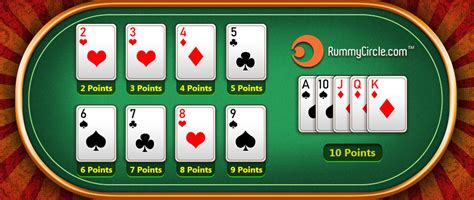
Every card on the felt has a specific mathematical weight. Mastering real money rummy requires an intimate understanding of penalty values. Face cards (J, Q, K) and Aces carry a heavy 10-point penalty if left as deadwood, while numbered cards penalize you by their face value. Jokers carry zero points and act as your primary variance-reduction tool. When you sit down at a cash table, your sole objective is minimizing your deadwood points before an opponent declares.
Forming a pure sequence early in the game is the single most critical strategic pivot. Without a pure sequence, your entire hand remains vulnerable, and all your points count against you if an opponent drops their cards. Sharp players prioritize a pure sequence within the first three to four draws. Once that foundation is secure, you can aggressively chase sets and secondary sequences using jokers.
Probability dictates your drawing odds. If you hold two 7s and need a third to complete a set, your odds are dictated by the unseen cards. If the discard pile already shows one 7, your probability of drawing the remaining 7 drops significantly. Chasing dead draws is a negative expected value (-EV) play. Top-tier players track the discard pile meticulously, counting cards to avoid chasing combinations that have already been buried.
Return to Player (RTP) in rummy is not a fixed percentage programmed by a software provider like a slot machine. RTP in rummy is a dynamic reflection of your skill relative to the table rake. If a platform charges a 5% rake on the pot, your skill edge must consistently exceed 5% just to break even. Beating the rake means playing against less experienced opponents and minimizing your point liability on losing hands. If you realize an opponent is close to declaring, dropping your high-value deadwood immediately mitigates your losses.
Rivalry
- Low, competitive rake structure
- Instant withdrawals
- Favorable bonus contribution
10CRIC
- Standard industry rake
- Moderate withdrawal speeds
- 10% bonus contribution
Betway
- Slightly higher rake
- Fast withdrawal processing
- 10% bonus contribution
Bankroll Management and Bonus Rollover Tactics
Your bankroll is your lifeblood. Sitting at a table where the buy-in exceeds 5% of your total bankroll is a fast track to going broke. Variance in rummy is lower than in slots or sports betting, but bad runs happen. A disciplined player allocates a strict budget, divides it into buy-ins, and never chases losses by moving up to higher stakes tables.
Bonuses are the secret weapon for padding your bankroll and absorbing variance. A solid signup bonus gives you a financial cushion, but the real value lies in the terms and conditions. Wagering requirements, or rollover, dictate how many times you must play through the bonus amount before withdrawing. If you claim a $100 bonus with a 20x rollover, you must generate $2,000 in cumulative action.
Here is the catch: rummy rarely contributes 100% toward casino bonus rollover. While slots might contribute 100%, table games and card games often contribute between 10% and 20%. If rummy contributes 10%, that $2,000 wagering requirement suddenly becomes $20,000 in raked hands. Doing this math before claiming a promotion is mandatory. If the rollover is too steep, skip the bonus and play with a pure cash balance to keep your instant withdrawal options open.
A smart grinder treats bonuses as a way to extend playtime and survive downswings, not as free money. Always calculate the effective hourly rate you earn while clearing a bonus to ensure you aren't burning through your own funds just to meet a wagering target.
A Step-by-Step Guide to Dominating the Tables
Executing a winning session requires a systematic approach. Jumping into a game without a framework leads to emotional decisions and poor card management. Follow this sequence to structure your real money play.
Fund Your Account and Claim the Edge
Deposit your allocated bankroll using your preferred payment method. Navigate to the promotions page and evaluate the welcome bonus. If the rollover contribution for rummy is favorable, opt-in. If the terms are restrictive, skip the bonus to maintain unrestricted access to your funds.
Assess the Deal and Calculate Risk
Look at your 13 cards. Immediately identify the potential for a pure sequence. If you are dealt cards that are completely scattered with no adjacent suits, consider a first-drop option. Dropping early costs you a flat, minimal penalty (usually 20 or 25 points depending on the format), which is often cheaper than playing out a hopeless hand and getting hit with 80+ points when an opponent declares.
Discard Management and Opponent Tracking
Do not discard cards blindly. Every card you throw into the pile is information for your opponents. If you discard a 9 of hearts, sharp opponents will note you don't need heart sequences. Conversely, watch what they discard. If an opponent picks up a 4 of spades from the open pile, they are building a spade sequence. Hold onto adjacent spades to block their hand, even if it means keeping slight deadwood temporarily.
Declare and Cash Out
Once your deadwood reaches zero and you have a pure sequence, declare immediately. Do not wait to optimize your sets for a marginally higher payout if it risks an opponent declaring first. Once you hit your session profit target, leave the table. Head to the cashier and request a withdrawal. Locking in profits prevents the common gambling trap of playing until the variance evens out your wins.
Platform Showdown: Top Rummy Sites of 2026
Choosing the right platform directly impacts your bottom line. Rake structures, withdrawal speeds, and software stability vary wildly across the iGaming landscape. Rivalry stands out as the premier destination for real money rummy, offering an optimized interface and competitive rake that keeps your ROI high.
| Platform | Rake Structure | Withdrawal Speed | Bonus Rummy Contribution | Overall Rating |
|---|---|---|---|---|
| Rivalry | Low, competitive tier | Instant / Fast | Favorable terms | 9.5/10 |
| 10CRIC | Standard industry | Moderate | 10% contribution | 8.0/10 |
| Betway | Slightly higher | Fast | 10% contribution | 7.5/10 |
| Dafabet | Standard industry | Moderate | 5% - 10% contribution | 7.0/10 |
| Bet365 | Higher for card games | Fast | 10% contribution | 7.0/10 |
Rivalry takes the top spot due to its transparent fee structure and seamless user experience. Players consistently praise the fast withdrawal times, noting that cash outs are processed without unnecessary friction. The community feedback on bonus clarity has been overwhelmingly positive, with users highlighting that wagering requirements are clearly displayed, allowing grinders to calculate their rollover math before sitting at a table.
Competitors like 10CRIC and Betway offer solid alternatives, but their bonus structures often heavily favor sportsbook or slot players. When attempting to clear a casino bonus via rummy on these platforms, the low contribution percentages make it an uphill battle. Rivalry bridges this gap, offering promotions that make sense for skill-based card game enthusiasts.
Ready to Master Rivalry Rummy Points?
Claim your welcome bonus and start applying advanced strategies at the real money tables today.
CREATE FREE ACCOUNT
Weighing the Odds: Pros and Cons of Real Money Rummy
Every betting vertical has distinct advantages and pitfalls. Rummy occupies a unique space in the iGaming ecosystem, blending the strategic depth of poker with the fast-paced action of casino card games.
Pros
- Skill-Based Edge: Unlike slots or roulette, rummy allows you to directly influence the outcome. A skilled player will beat a novice over a large sample size, making it one of the few beatable games in a casino lobby.
- Low House Edge: The platform only takes a small rake on the pot. If you are highly skilled, your effective RTP can exceed 100%, meaning you are playing with a mathematical advantage against weaker opponents.
- Bonus Cushions: Welcome offers and reload bonuses provide extra liquidity. Even with rollover requirements, these funds allow you to play higher stakes or survive downswings without depleting your primary bankroll.
- Fast-Paced Action: Hands resolve in minutes. This rapid turnover allows you to log high volumes of hands, letting your skill edge manifest quickly and smoothing out short-term variance.
Cons
- Rollover Restrictions: As mentioned, clearing a casino bonus by playing rummy can be a grind. The low contribution rates mean you must generate massive volume to unlock your bonus funds.
- Mental Fatigue: Tracking discards, calculating probabilities, and reading opponents requires intense focus. Long sessions lead to mental fatigue, which inevitably causes strategic errors and lost chips.
- Variance Still Exists: Skill dominates in the long run, but short-term bad beats happen. You can play perfectly and still lose to an opponent who draws a lucky joker on the final turn.
- Opponent Scarcity at High Stakes: Finding weak opponents at high-stakes tables is difficult. The higher you go, the tighter the player pool becomes, shrinking your skill edge and reducing your overall ROI.
Put Your Rummy Strategy to the Test
Join the tables at Rivalry and start minimizing your deadwood points for real cash wins.
CREATE FREE ACCOUNT